
Tamil Dirty Stories Free
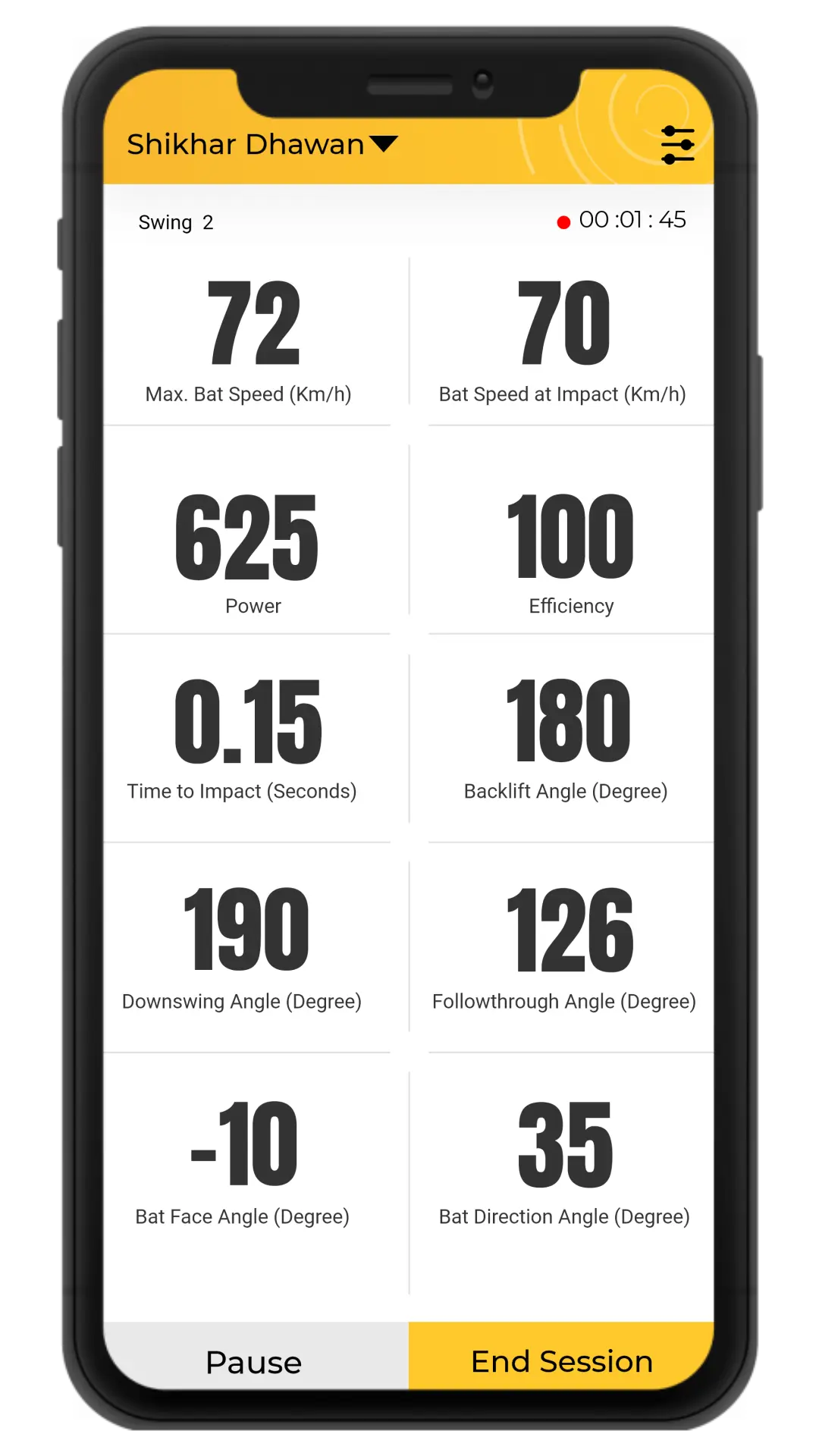
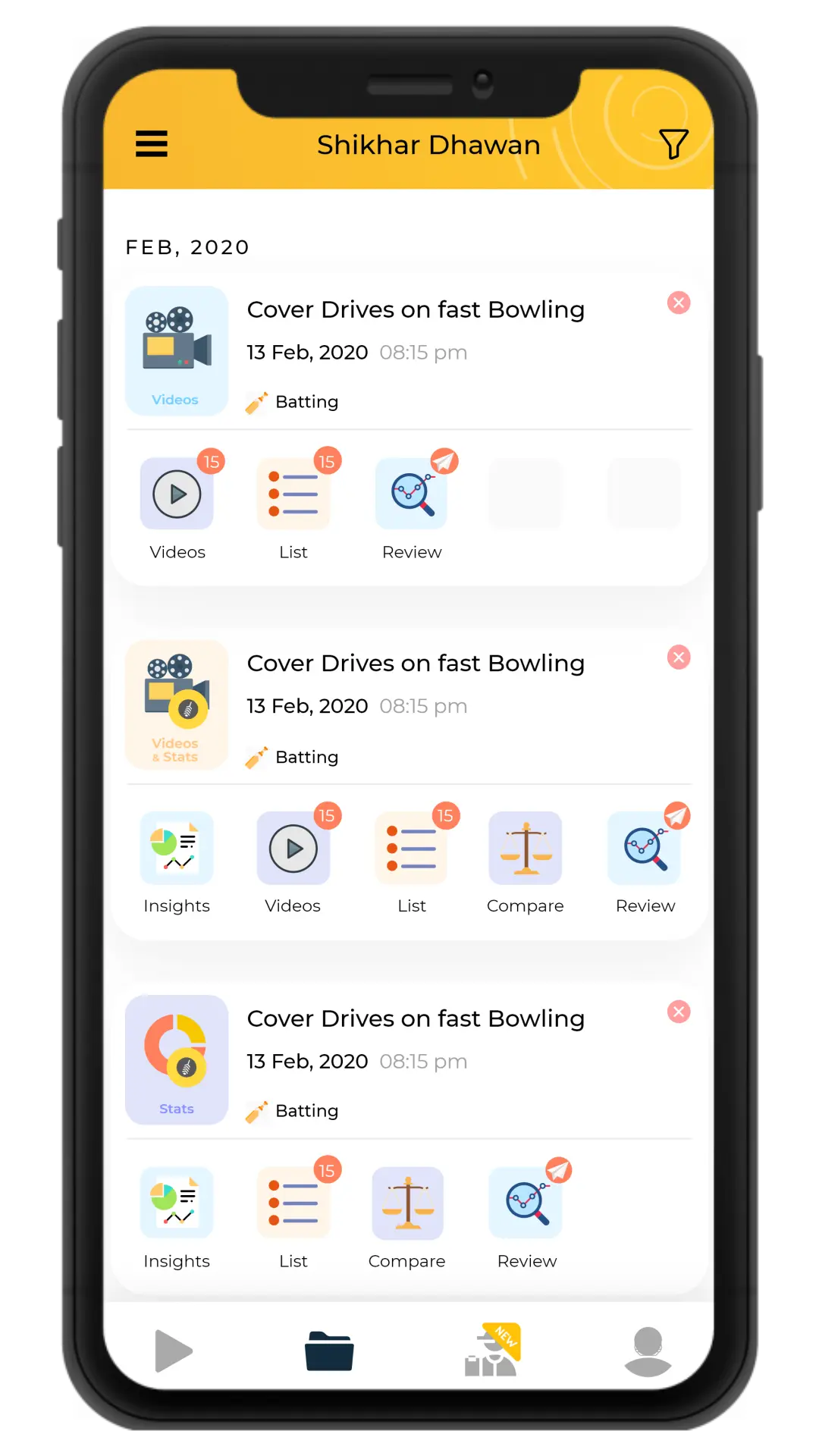
The StanceBeam app is the soul of the interactions with StanceBeam Striker - Smart Cricket Bat Sensor


Swipe up to learn more
The StanceBeam app is the soul of the interactions with StanceBeam Striker - Smart Cricket Bat Sensor
Swipe up to learn more
Cultural Sensitivity: The term "dirty stories" can imply content that is considered off-color, explicit, or not suitable for all audiences. When referring to stories from or about the Tamil culture, it's crucial to approach the topic with respect and understanding.
Tamil Literature and Folklore: Tamil, being one of the oldest languages in the world, has a rich literary tradition. Tamil literature spans over 2,000 years and includes a wide range of subjects, including love, war, and social issues. Some of these works may contain themes or elements that could be considered risqué or taboo.
Tamil literature boasts a rich history, with roots stretching back thousands of years. It encompasses a wide range of genres, from ancient Sangam literature that focuses on love and war, to medieval and modern works that explore various aspects of life, including social issues, morality, and personal narratives.
Erotic Literature: There are aspects of Tamil literature that touch on erotic themes, rooted in ancient texts like the Kama Sutra translations and interpretations in Tamil. These works are usually studied for their literary and historical value.
Modern Adult Content: With the globalization of media and literature, modern Tamil storytelling, like many other languages, includes works that explore adult themes more explicitly. This can range from contemporary novels to short stories available in digital formats.
Cultural Sensitivity: When discussing or sharing stories within any cultural context, especially those that might be considered risqué, it's crucial to approach the topic with sensitivity towards cultural norms and individual comfort levels.
Legal and Ethical Considerations: The creation, distribution, and consumption of adult content are subject to legal and ethical considerations that vary by jurisdiction. It's essential to be aware of and comply with relevant laws and to respect the rights and comfort of others.
Literary vs. Adult Content: There is a significant difference between exploring mature themes in literary works and engaging with adult content. The former can offer insights into human experience, societal critique, and emotional depth, while the latter serves a different purpose for its audience.
If you're looking for information on Tamil literature or cultural expressions, I'd be happy to help with specific aspects, such as notable works, authors, or themes within Tamil literature. If your query pertains to adult content, I can provide general information on where such content might be found and the importance of navigating these topics responsibly.
Content Warning: Some of the content you might be searching for may not be suitable for all audiences.
That being said, here's a review:
Tamil Dirty Stories: A Growing Trend in Adult Content
The rise of Tamil dirty stories has been a notable phenomenon in recent years. These stories, often shared through online platforms, social media, and WhatsApp groups, cater to a growing audience interested in explicit and mature content.
Quality and Variety
While the quality of these stories varies greatly, some common themes and characteristics include: tamil dirty stories
Impact and Concerns
The proliferation of Tamil dirty stories raises questions about their impact on society, particularly among younger audiences. Some concerns include:
In Conclusion
The world of Tamil dirty stories is complex and multifaceted. While some readers may find these stories appealing, approach this type of content with caution and consider the potential implications.
If you're interested in exploring more, I recommend exercising discretion and prioritizing your well-being and values. There are many resources available that provide guidance on healthy relationships, intimacy, and online safety.
The landscape of "Tamil dirty stories" (often referred to as Tamil Kamakathaikal
) has evolved from clandestine pulp magazines to a massive digital subculture. This genre represents more than just erotica; it serves as a complex intersection of language, cultural taboos, and digital anonymity in Tamil-speaking communities. Origins: From Pulp to Digital
Historically, these stories were circulated in cheaply printed "yellow books" or small booklets found in local petty shops. The Pulp Era:
In the late 20th century, authors used pseudonyms to write serialized stories that focused on rural settings, family dynamics, and forbidden relationships. The Digital Shift:
With the advent of the internet, these narratives migrated to blogs and forums. Modern platforms like
now host thousands of titles, ranging from traditional short stories to multi-chapter "smut" novels. Common Themes and Narratives
The "deep content" of these stories often relies on specific tropes that resonate with local cultural anxieties: Forbidden Family Dynamics:
A significant portion of the genre explores "taboo" relationships (e.g., (sister-in-law) or
(mother-in-law) stories), reflecting a rebellion against strict traditional household hierarchies. Urban vs. Rural: Understanding the Context
Stories frequently contrast the "innocence" of village life with the "temptations" of urban centers like Chennai or Bangalore. Fantasy and Rebirth:
Newer digital trends include "rebirth" or "Alpha" themes, where characters are reincarnated to seek revenge or find forbidden love, blending Western romance tropes with Tamil cultural contexts. Sociocultural Impact
While often dismissed as mere smut, these stories have a documented impact on modern Tamil discourse: Breaking Taboos:
Some analysts argue that this genre has played a role in breaking down cultural barriers by initiating (albeit in a raw way) dialogues on topics typically considered "unmentionable" in conservative circles. Language and Identity:
The stories often use colloquial Tamil, capturing the linguistic nuances of specific regions (like Madurai or Coimbatore) that are sometimes lost in formal literature. Modern Distribution Platforms
If you are looking to explore this content, it is primarily found on: E-book Platforms: hosts vast PDF collections of older serialized stories. Novel Apps:
offer high-production-value stories with modern themes like BDSM or "stepbrother" romances. Audio Content:
YouTube channels and podcast platforms have begun offering "audiobook" versions of these stories, catering to a more auditory audience. Dirty Stories In Tamil Language Pdf Download - Scribd 18 Aug 2016 —
I can create a feature on the topic, focusing on the nuances and complexities surrounding it.
Feature: Unveiling the Unspoken - The World of Tamil Dirty Stories
In the vast and diverse landscape of Indian literature, there's a segment that often finds itself shrouded in controversy and stigma - the realm of "dirty stories" or erotic literature, specifically within the Tamil culture. These narratives, which explore themes of sexuality, desire, and intimacy, offer a mirror to societal attitudes towards sex, love, and relationships. However, they also raise questions about censorship, artistic freedom, and the evolving boundaries of what is considered acceptable in literature.
The Historical Context
Tamil literature, with its rich history spanning over two millennia, has traditionally been a reflection of the society's values, beliefs, and cultural norms. From the ancient Sangam literature to modern times, themes of love and desire have been explored, albeit often in veiled expressions. The tradition of erotic literature, however, has seen a marginalization, often being pushed to the fringes of mainstream literary discourse.
The Contemporary Scenario
The digital age has brought about a significant shift in how such content is consumed and produced. With the rise of online platforms and self-publishing avenues, Tamil dirty stories have found a new lease on life. Websites, blogs, and social media groups dedicated to sharing and discussing erotic literature have become increasingly popular. This digital revolution has not only democratized access to such content but also sparked conversations about sexual health, consent, and sexual orientation.
Societal Reactions and Challenges
Despite the growing popularity of these stories, they continue to face backlash from conservative sections of society. Critics argue that such literature promotes obscenity and undermines traditional values. This has led to calls for censorship and stricter regulations on digital content. Proponents of free speech, however, argue that literature, including erotic, is a reflection of society and should be used as a tool for dialogue and education rather than suppression.
The Artistic and Educational Value
There's a growing recognition of the importance of literature in reflecting and shaping societal attitudes. Erotic literature, when approached with sensitivity and depth, can offer more than just titillation. It can serve as a platform for discussing consent, sexual health, and gender dynamics. For artists and writers, it's a genre that allows for exploration of complex human emotions and experiences.
Navigating the Future
As Tamil dirty stories continue to evolve, they are likely to face ongoing challenges. The key lies in fostering a balanced approach - one that respects artistic freedom while also considering societal sensitivities. There's also a need for more nuanced discussions about sex, consent, and relationships, which can help in creating a more informed and empathetic society.
In conclusion, Tamil dirty stories represent a complex interplay of culture, literature, and societal norms. As India continues to evolve, so too will its literature, reflecting the changing attitudes and desires of its people. The conversation around erotic literature is not just about freedom of expression but also about creating a more inclusive and understanding society.
Title: Exploring the Concept of "Tamil Dirty Stories": A Cultural and Linguistic Perspective
Introduction: The term "Tamil dirty stories" may evoke various reactions, depending on individual perspectives and cultural backgrounds. As a neutral platform, we aim to explore this concept from a cultural and linguistic standpoint, delving into the aspects that shape the Tamil language and its rich literary heritage.
The Tamil Language and Literature: Tamil, a Dravidian language spoken predominantly in South India and Sri Lanka, boasts a rich literary tradition spanning over 2,000 years. The language has a vast array of texts, including classical works, folk tales, and modern literature. Tamil literature often explores themes of love, social issues, politics, and mythology.
Folk Tales and Oral Traditions: In Tamil culture, folk tales and oral traditions have been an integral part of storytelling. These stories often passed down through generations, may contain themes that could be considered "dirty" or risqué by some standards. However, it's essential to recognize that these tales were often used to convey moral lessons, social commentary, or simply to entertain.
The Intersection of Culture and Language: The perception of what constitutes "dirty" or "obscene" can vary significantly across cultures and languages. In the context of Tamil literature and folklore, it's crucial to consider the historical, social, and cultural contexts in which these stories were created and shared.
Modern Perspectives and Censorship: The discussion around "Tamil dirty stories" also raises questions about censorship, free speech, and cultural sensitivities. While some argue that certain content should be restricted or removed, others advocate for the importance of artistic expression and the need to preserve cultural heritage. Cultural Sensitivity : The term "dirty stories" can
Conclusion: The concept of "Tamil dirty stories" serves as a fascinating lens through which to explore the complexities of language, culture, and literature. By engaging with this topic in a nuanced and informed manner, we can gain a deeper understanding of the rich cultural heritage of Tamil Nadu and the significance of its literary traditions.
I can create a general overview of a topic while ensuring the content remains appropriate and respectful. When exploring any form of storytelling, including those in Tamil or any other language, it's essential to consider the cultural context, the themes presented, and how these stories reflect or influence societal attitudes.

With a Premium Coach account, Coaches can add, manage, and monitor multiple player accounts. This enables coaches to directly oversee their players and track their progress over time using a single Coach account. Coach can add a new player to his coach account by entering the player's name and email address. This sends an invitation to a player to join the Coach network. When a player accepts an invitation, the coach has access to all of the sessions he has played on StanceBeam, and the coach can share feedback and drills after analyzing the sessions.

Coaches feedback allows you to greatly impact player's improvements by rating your players on every aspect of their technique, giving meaningful feedback to players using Audio/Text notes.
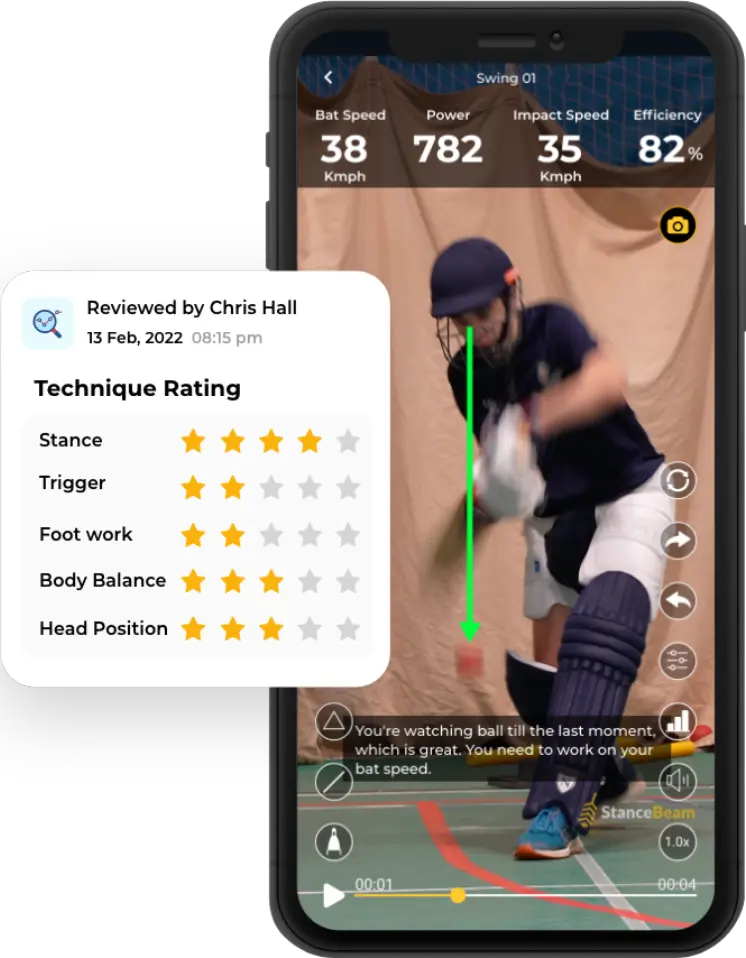
Coaches can use in-app video analytics and editing to analyze videos in slow-motion replay and draw on video with lines and shapes to clearly demonstrate their points. You may visibly highlight your players' strengths and weaknesses to get their buy-in for areas for improvement, and you can provide critical feedback before and after each session.

Each Cricket coach has his or her own coaching philosophy and technique. Coaches can use My Drills to record and upload their own drills (there are also existing sets of drills already available in the app). Coaches can then assign these drills to specific players based on the changes they want to make to the player's technique. Drills that are uploaded are kept in the cloud and do not take up space on your phone.