Introduction
For the international community, the name "Eliza Samudio" may not resonate with the same recognition as other true crime figures. However, within Brazil, the story of the 25-year-old former model and aspiring actress represents one of the most harrowing, high-profile, and media-saturated murder cases of the 21st century. It is a story that intersects celebrity, power, corruption, and the brutal silencing of a woman demanding accountability.
The case, which culminated in a trial nearly a decade after the crime, did not just expose two killers; it exposed a rot within the Brazilian justice system, the violent potential of unchecked fame, and the cultural phenomenon of impunidade (impunity) for the rich and famous.
The Eliza Samudio case is a tragic example of the extreme violence that women can face, often at the hands of partners or ex-partners. It serves as a reminder of the need for vigilance, legal reform, and societal change to protect women and ensure that justice is served in cases of violence against them. The case also highlights the importance of addressing the root causes of such violence and working towards a society where women are safe and respected.
The disappearance and murder of Eliza Samudio in 2010 remains one of the most chilling and high-profile criminal cases in Brazilian history. A model and former actress, Samudio’s life was tragically cut short following a dispute over the paternity of her child with then-Flamengo goalkeeper Bruno Fernandes de Souza. Background and Relationship
Eliza Samudio met Bruno Fernandes at a party in 2009. Following their brief encounter, Eliza became pregnant and identified Bruno as the father. Bruno, then a celebrated athlete and captain of one of Brazil’s most popular football teams, reportedly pressured Eliza to terminate the pregnancy, but she refused.
In October 2009, Eliza filed a police report claiming Bruno and several associates had kidnapped her and forced her to take drugs intended to induce an abortion. Despite these serious allegations, the legal system's response was criticized as slow, and Bruno remained a free man and a sports icon during the ensuing months. The Disappearance
In June 2010, Eliza Samudio vanished after traveling to Minas Gerais at Bruno’s invitation. She had been led to believe that Bruno intended to settle the paternity issues and provide financial support for their four-month-old son.
For weeks, her whereabouts were unknown. The investigation eventually revealed a horrific sequence of events:
Kidnapping: Eliza and her son were taken to a ranch owned by Bruno. Captivity: She was held against her will for several days.
Murder: Investigators concluded she was murdered by associates of Bruno, allegedly on his orders.
One of the most gruesome aspects of the case—which sparked international outrage—was the testimony suggesting her body was dismembered and partially fed to dogs to hide the evidence. Her remains have never been found. Legal Proceedings and Sentencing
The trial of Bruno Fernandes and his accomplices became a media sensation in Brazil, highlighting themes of celebrity privilege and gender-based violence.
Bruno Fernandes: In 2013, he was sentenced to 22 years and 3 months in prison for his role in the kidnapping, murder, and concealment of Eliza’s body. eliza samudio
Accomplices: Several associates, including Luiz Henrique Romão (known as "Macarrão"), were also convicted.
Despite his conviction, Bruno’s subsequent legal battles—including brief releases and attempts to resume his professional football career—frequently reignited public debate about the adequacy of Brazil’s justice system in cases of femicide. Legacy and Societal Impact
The Eliza Samudio case is often cited as a watershed moment for the feminist movement in Brazil. It exposed deep-seated issues regarding:
Femicide: The case helped bring international attention to the high rates of violence against women in Brazil.
Sports Culture: It sparked critical discussions about the idolization of athletes and how "macho" culture within sports can sometimes shield perpetrators from accountability.
Media Ethics: The portrayal of Eliza—often focusing on her past rather than her victimhood—became a subject of study regarding misogyny in sports journalism.
Today, Eliza’s son is raised by her mother, Sonia Samudio, who continues to advocate for justice and for the memory of her daughter to serve as a catalyst for protecting women from domestic violence. fama, anonimato e violência de gênero em nossa sociedade
A detailed feature on Eliza Samudio 's life and her tragic 2010 murder is presented in the 2024 Netflix documentary " An Invisible Victim: The Eliza Samudio Case
". Directed by Juliana Antunes, the film shifts the focus from the perpetrator—star soccer goalkeeper Bruno Fernandes de Souza—to Eliza herself, humanizing her and examining how fame and systemic sexism led to her pleas for help being ignored. Key Aspects of the Feature
The Victim's Perspective: The documentary aims to "put Eliza back at the center of the story," countering years of media coverage that often prioritized Bruno's downfall or romanticized his career.
Systemic Failure: It details how Eliza reported Bruno's violent behavior and threats a year before her disappearance, yet was denied a protective order and saw her reports neglected due to his status.
The Crime & Trials: The feature explores the 2010 kidnapping and murder, revealing previously neglected details and the involvement of eight people found complicit in the crime.
Social Commentary: It serves as a critique of Brazilian society, exploring how the public and media turned the main suspect into a "mythical figure" while silencing the victim. Where to Watch The Murder of Eliza Samudio: A Case that
The documentary is currently available for streaming on Netflix and can also be accessed via devices like Roku .
Eliza Samudio was a Brazilian woman who gained international attention in 2010 after her ex-boyfriend, Bruno Fernandes de Souza, a former professional footballer, was arrested and later convicted of her murder.
Here is a useful paper looking at Eliza Samudio:
The Case of Eliza Samudio: A Critical Analysis of Gender-Based Violence in Brazil
Introduction
The case of Eliza Samudio is a tragic example of gender-based violence in Brazil. In 2010, Eliza Samudio, a 24-year-old Brazilian woman, was murdered by her ex-boyfriend, Bruno Fernandes de Souza, a former professional footballer. This paper will examine the circumstances surrounding Eliza's death, the investigation and trial that followed, and the broader implications of her case for understanding gender-based violence in Brazil.
Background
Eliza Samudio and Bruno Fernandes de Souza had a tumultuous relationship that was marked by violence and abuse. In 2010, Eliza became pregnant with Bruno's child, but he denied paternity and pressured her to undergo an abortion. Eliza refused, and Bruno became increasingly violent towards her. On June 4, 2010, Eliza was abducted from her home in Contagem, Minas Gerais, and was subsequently murdered.
Investigation and Trial
Bruno Fernandes de Souza was arrested in 2010 and charged with Eliza's murder. During the investigation, it became clear that Bruno had orchestrated Eliza's murder, using his friends and acquaintances to carry out the crime. In 2013, Bruno was convicted of Eliza's murder and sentenced to 22 years in prison.
The Role of Football and Masculinity
The case of Eliza Samudio highlights the complex relationships between football, masculinity, and violence in Brazil. Bruno Fernandes de Souza was a former professional footballer who had a reputation for being violent and aggressive. His involvement in football and his status as a celebrity athlete contributed to a culture of impunity and machismo that enabled his violent behavior.
Gender-Based Violence in Brazil
The case of Eliza Samudio is a tragic example of the widespread problem of gender-based violence in Brazil. According to the Brazilian Ministry of Health, in 2019, Brazil recorded 1,739 femicides (the murder of women because of their gender). The case highlights the need for greater awareness and action to prevent gender-based violence in Brazil, including education and training for law enforcement officials, healthcare providers, and the general public.
Conclusion
The case of Eliza Samudio is a powerful reminder of the devastating consequences of gender-based violence in Brazil. The investigation and trial that followed Eliza's murder highlighted the need for greater accountability and action to prevent violence against women. This paper argues that the case of Eliza Samudio serves as a critical example of the intersection of football, masculinity, and violence in Brazil, and highlights the need for a broader cultural shift to prevent gender-based violence.
Sources:
The central, surviving victim of this horror is Eliza’s son, Bruninho (now a teenager). After the murder, he was taken from his father’s home and placed into the custody of Eliza’s mother, Sônia de Fátima Moura.
Sônia has become a fierce activist for anti-femicide laws in Brazil. She raised Bruninho, ensuring he knows his mother’s story. "I want him to know that his mother fought for him to the end," she said in a 2022 interview. "She didn't give him up, and that cost her her life."
The Eliza Samudio case forced Brazil to confront difficult truths. It came at a time when the legal concept of feminicídio (femicide) was being codified into Brazilian law (2015). Eliza’s face became a symbol of the violence that women face when they attempt to hold powerful men accountable.
Violence Against Women: The case underscored the need for societal and legal changes to combat violence against women. It highlighted the importance of taking threats and violence against women seriously and ensuring that perpetrators are held accountable.
Media and Justice: The extensive media coverage of the case showed how public interest can influence investigations and trials, sometimes raising concerns about the impact on the judicial process.
Femicide Awareness: Eliza Samudio's case brought attention to femicide, the act of killing a woman because of her gender, which remains a critical issue worldwide. It emphasized the need for policies and actions aimed at preventing such crimes.
The Eliza Samudio case had a profound impact on Brazil, highlighting the pervasive issue of violence against women and the particular brutality of femicides. It sparked widespread outrage and led to increased calls for stronger laws and protections for women. The case also raised questions about the influence of celebrity status on the justice system and how such cases can overshadow the actual crime and its victims.
Eliza Samudio was reported missing on June 4, 2010. Her boyfriend, Bruno, who was then a goalkeeper for Flamengo, one of Brazil's most prestigious soccer clubs, became the prime suspect. The investigation revealed that Eliza had been strangled, and her body was dismembered. The crime was particularly heinous, with reports suggesting that Eliza was beaten, suffocated, and then her body was dismembered.
The investigation uncovered a heinous plot. It was determined that Samudio had been lured to the hotel under false pretenses, where she was abducted by Souza’s associates. A teenage cousin of the goalkeeper, who participated in the crime, later turned state's witness. "Eliza Samudio: A Case of Femicide in Brazil"
The testimony and evidence revealed that Samudio was taken to Souza’s rural property in Minas Gerais, where she was tortured, strangled, killed, and her body dismembered. Parts of her remains were fed to the goalkeeper's dogs, while other parts were buried in concrete. Her four-month-old son was found alive and eventually placed in the care of his grandmother.
In 2013, Bruno Fernandes de Souza was convicted of ordering the kidnapping and murder of Eliza Samudio. He was sentenced to 22 years and three months in prison. Several accomplices, including his wife and friends, were also convicted for their roles in the crime.
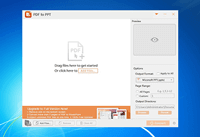
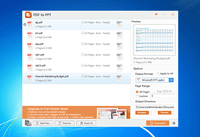
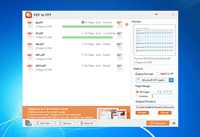
Spend less time retyping, easily move the contents from PDF files to editable Powerpoint documents.

Flyingbee Software
Creative Products
Online Store
Social Connections
 United States
We uses cookies to give you the best experience, analyze traffic, and personalize content. By continuing using our Site, you agree to our use of cookies. The information collected might relate to you, your preferences, or your device, and is mostly used to make the site work as you expect it to and to provide a more personalized web experience. However, you can choose not to allow certain types of cookies, which may impact your experience of the site and the services we are able to offer. Read our Privacy Policy or manage your cookie preferences. If you would like to submit an opt-out request with respect to your non-cookie personal information (e.g., your email address), find our support email address to opt-out of sale/sharing/targeting with respect to non-cookie personal information.



 PDF Printer
 Air Printer
 PDF Scanner
 Photo to PDF
 Flyingbee Reader
 PDF Merger
 PDF Splitter
 PDF Compressor
 PDF Password Remover
 PDF Encryptor
 PDF Converter
 PDF to Word
 PDF to Powerpoint
 PDF to Excel
 PDF to Text
 PDF to JPEG